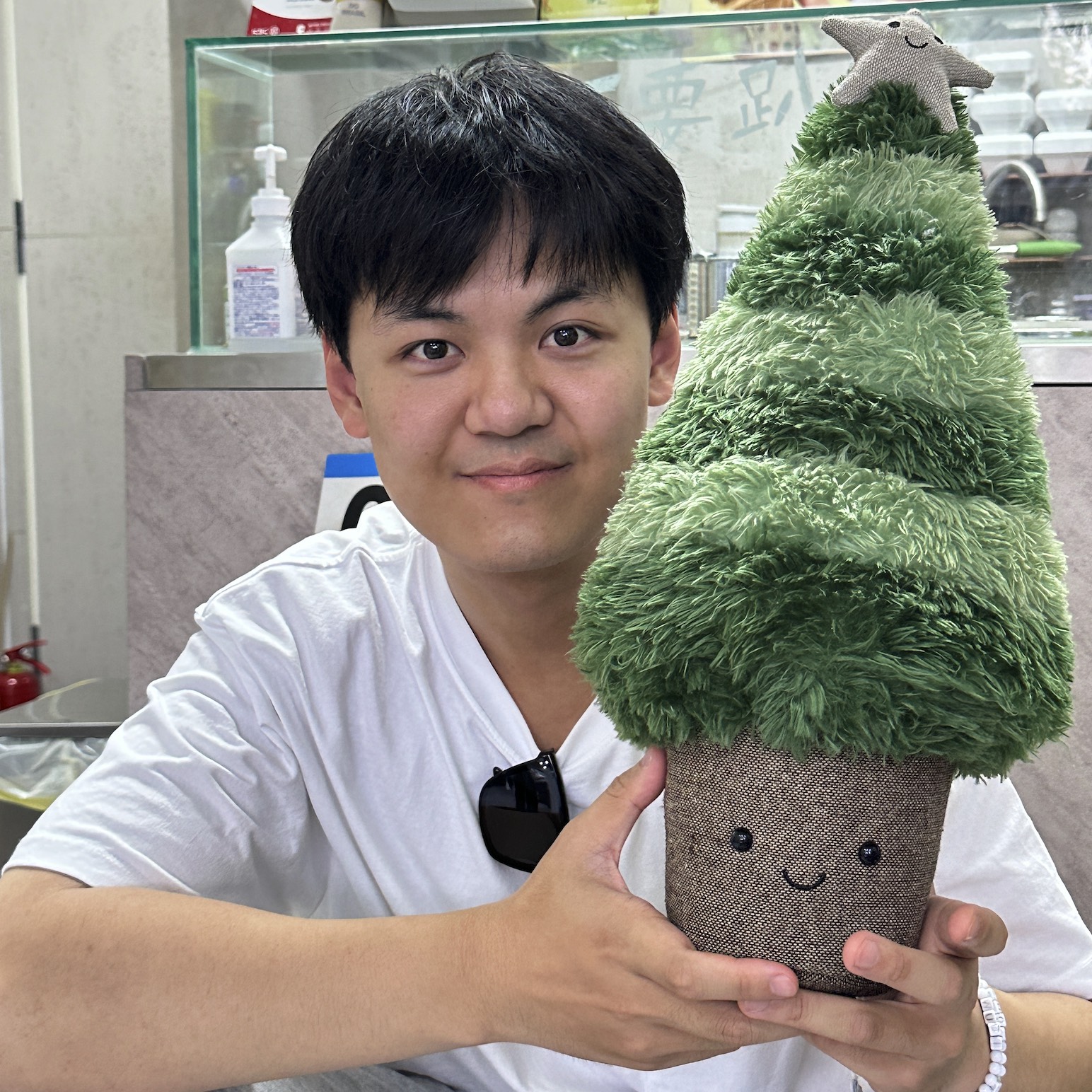
🔍 About Me
- 👋 Hello there, I am Haocan!
-
I recently graduated from Beijing Normal University, supervised by Professor Guoming Yu. My primary research focuses on persuasion, media psychology, and health communication. I am now collaborating with Dr. Mike Yao at the University of Illinois Urbana–Champaign in the Institute of Communication Research. Our work examines the theoretical definition of trust in human–AI interaction, the conceptualization and measurement of problematic AI use, and the dynamic linguistic processes that emerge in conversations between humans and conversational agents. Since 2019, I have collaborated with Professor Kun Tang at Tsinghua University school of public health on projects related to adolescent health and well-being, as well as sexual and reproductive health and rights (SRHR). In the lab, I am mainly responsible for data analysis and have independently led multiple projects. In 2022, I earned my degree in Arts from the Communication University of China in TV Editing and Directing.
- I hope to become an interdisciplinary scholar who cares about real-world problems. Considering targeted information delivery, multi-turn conversations, and the development of relational affective trust, AI offers both opportunities and challenges. I aim to use cross-disciplinary approaches to address real-world health issues: How AI-mediated environments reshape health persuasion.

📝 Publications
Haocan Sun, Shuangyu Zhao, Hanxiyue Zhang, Kun Tang
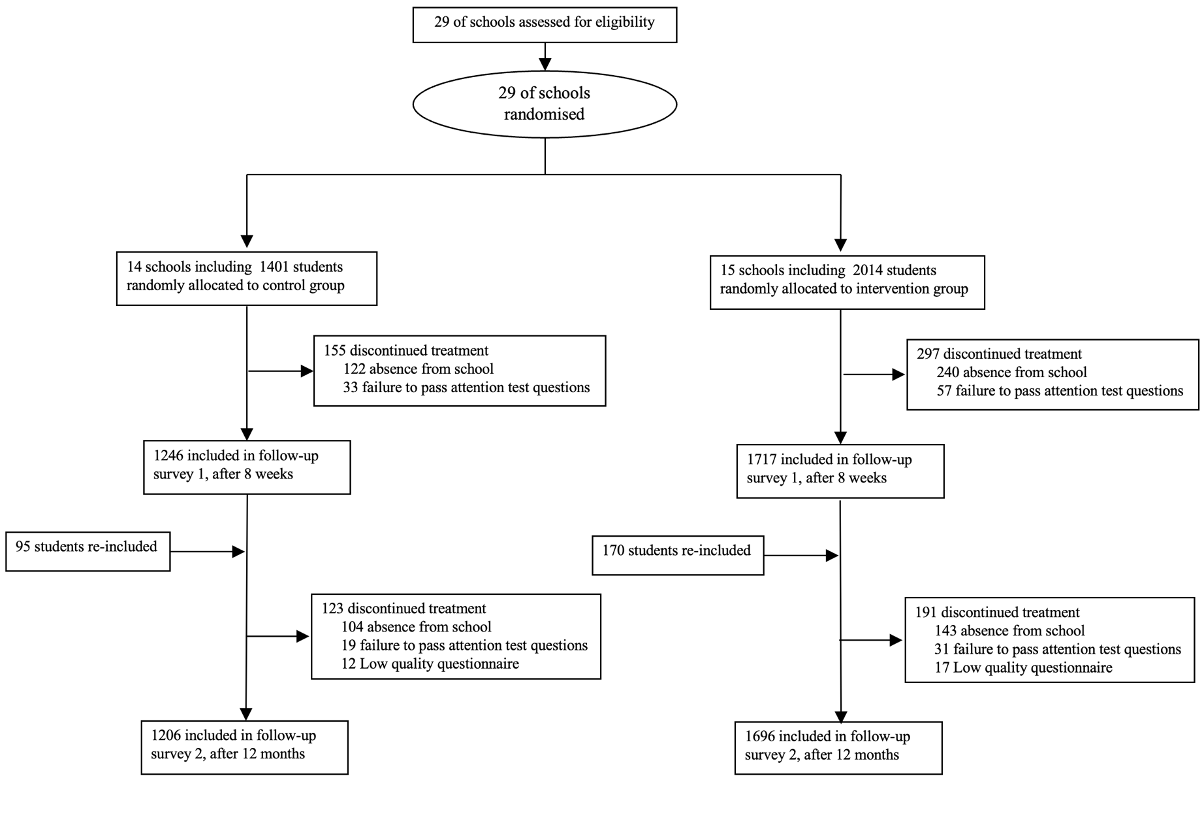
Conclusion -I used a parallel process latent growth model to track the nonlinear growth trajectories of sexuality knowledge and attitudes, and a mixed effects model to assess whether sexuality education impacts behavioral indicators. Results suggest that more sustained CSE is necessary for vocational high school students in China. Online CSE presents a feasible solution to enhance sexuality knowledge and attitude and bridge the gap in developmental and sexuality education levels. However, behaviors and well-being outcomes did not yield consistent positive results.
Mapping the AIDS Week Health Campaign on Social Media in China: A Mixed-Method Study
(Co-first author) Haocan Sun, Rudong Zhang, Xuan Li, Kun Tang
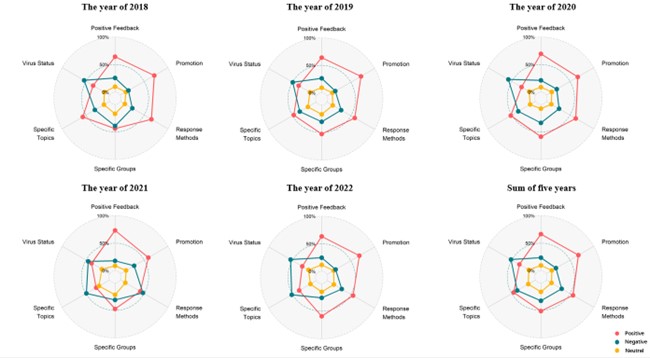
Conclusion -This study used Latent Dirichlet Allocation (LDA) topic modeling and sentiment analysis to investigate the distribution of themes and people’s reactions during AIDS Weeks. From 2018 to 2021, 48,437 posts were analyzed, revealing 21 topics coded and categorized into six main themes: Response Methods, Specific Topics, Promotion, Virus Status, Specific Groups, and Positive Feedback. Additionally, Critical Discourse Analysis (CDA) was employed to further examine the social structures, cultural contexts, and power dynamics underlying the discourse.
Haocan Sun, Kun Tang
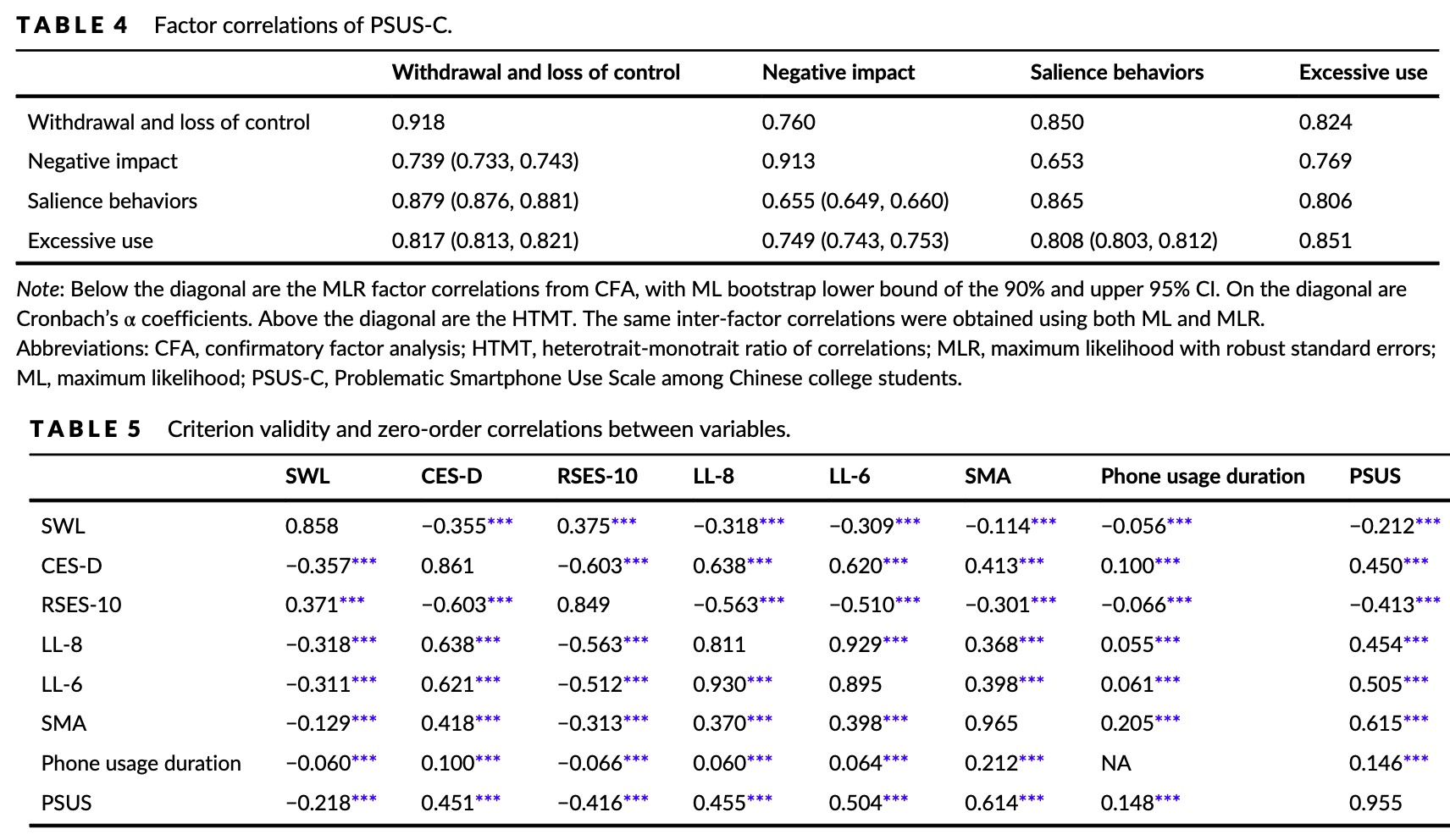
- The Problematic Smartphone Use Scale for College Students (PSUS-C) demonstrated good factor structure, internal consistency, construct validity, discriminant validity and criterion validity. Strict and structural invariance were demonstrated across sex, type of university and place of residence.
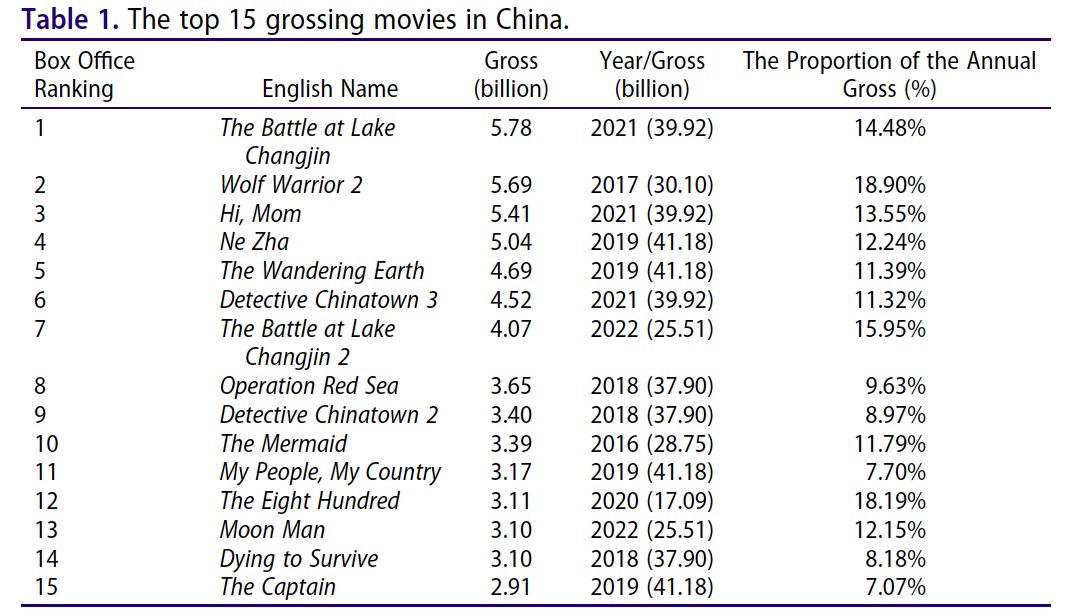
Haocan Sun, Jinghong Xu
- Women are portrayed through family-oriented lenses, and an Iron Lady image has emerged, perpetuating shallow perceptions of femininity and maintaining male power. Furthermore, female actors composed only one-fifth of all actors, and there were no female cinematographers or editors.
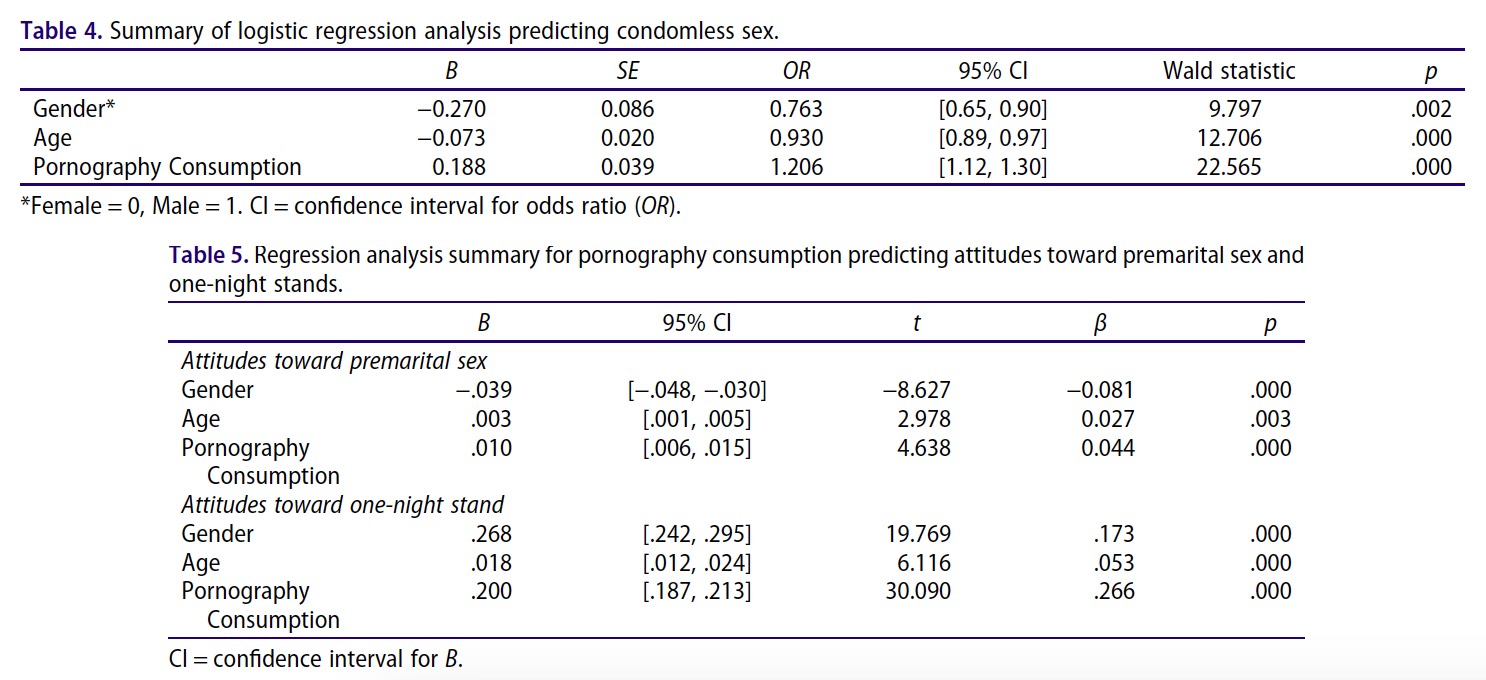
Pornography consumption, sexual attitude, and condomless sex in China
(Co-first author) Zhenchao Hu,Haocan Sun, …, Kun Tang
- A higher frequency of pornography consumption is associated with an increased likelihood of having condomless sex and more positive attitudes toward premarital sex and one-night stand.
💡 On-Going Projects
- 🌟 My Thesis Using Neural Signals to Predict Health News Sharing Volume, Individual Media Use, Health Behavior, and Well-being Trajectory, Haocan Sun, Guoming Yu
- Building on the exploration of neural mechanisms and online information sharing by researchers such as Baek, Chan, Cosme, Doré, Falk, and Scholz, a neuroscience-based approach is gradually unraveling the complexities of the communication puzzle. This study (N = 54) links individuals’ neural activity during news reading with their future health and well-being trajectories, as well as a mass media outcome, news sharing volume. It employed a 2 × 4 between-subjects design: (2) Chinese health news on Southern Weekly vs. English health news on The New York Times; (4) simulated reading behaviors—reading the full text, private sharing, public sharing, and topic relevance judgment (control). Participants viewed 70 health news headlines and abstracts during fMRI scanning. The analysis focused on brain regions involved in personal, social, and value integration (e.g., medial/dorsolateral prefrontal cortex). One month later, participants completed ecological momentary assessments (twice daily, thirty days). A Dynamic Structural Equation Model (DSEM) was used to integrate neural data, future behavior, and mass-level sharing volume.
- Revisiting Trust in the Era of Generative AI: Factorial Structure and Latent Profiles, Haocan Sun, Weizi Liu, Di Wu, Guoming Yu, Mike Yao
- Trust is one of the most important factors shaping whether and how people adopt and rely on artificial intelligence (AI). Yet most existing studies measure trust in terms of functionality, focusing on whether a system is reliable, accurate, or easy to use, while giving less attention to the social and emotional dimensions that are increasingly relevant for today’s generative AI (GenAI) systems. These systems do not just process information; they converse, respond, and collaborate with users, blurring the line between tool and partner. In this study, we introduce and validate the Human-AI Trust Scale (HAITS), a new measure designed to capture both the rational and relational aspects of trust in GenAI. Drawing on prior trust theories, qualitative interviews, and two waves of large-scale surveys in China and the United States, we used exploratory (n = 1,546) and confirmatory (n = 1,426) factor analyses to identify four key dimensions of trust: Affective Trust, Competence Trust, Benevolence & Integrity, and Perceived Risk. We then applied latent profile analysis to classify users into six distinct trust profiles, revealing meaningful differences in how affective-competence trust and trust-distrust frameworks coexist across individuals and cultures. Our findings offer a validated, culturally sensitive tool for measuring trust in GenAI and provide new insight into how trust evolves in human-AI interaction. By integrating instrumental and relational perspectives of trust, this work lays the foundation for more nuanced research and design of trustworthy AI systems.
- Emotionally Vulnerable Subtype of Internet Gaming Disorder: Measuring and Exploring the Pathology of Problematic Generative AI Use, Haocan Sun, Di Wu, Weizi Liu, Guoming Yu, Mike Yao
- Concerns over the potential over-pathologization of generative AI (GenAI) use and the lack of conceptual clarity surrounding GenAI addiction call for empirical tools and theoretical refinement. This study developed and validated the PUGenAIS-9 (Problematic Use of Generative Artificial Intelligence Scale-9 items) and examined whether PUGenAIS reflects addiction-like patterns under the Internet Gaming Disorder (IGD) framework. Using samples from China and the United States (N = 1,508), we conducted confirmatory factor analysis and identified a robust 31-item structure across nine IGD-based dimensions. We then derived the PUGenAIS-9 by selecting the highest-loading items from each dimension and validated its structure in an independent sample (N = 1,426). Measurement invariance tests confirmed its stability across nationality and gender. Person-centered (latent profile analysis) and variable-centered (network analysis) approaches revealed a 5-10% prevalence rate, a symptom network structure similar to IGD, and predictive factors related to psychological distress and functional impairment. These findings indicate that PUGenAI shares features of the emotionally vulnerable subtype of IGD rather than the competence-based type. These results support using PUGenAIS-9 to identify problematic GenAI use and show the need to rethink digital addiction with an ICD (infrastructures, content, and device) model. This keeps addiction research responsive to new media while avoiding over-pathologizing.
- Conversational Dynamics Between Human and Gendered AI, Weizi Liu, Haocan Sun, Mike Yao
- This study applies a dynamic systems approach to examine how conversational patterns shape user evaluations of gendered AI chatbots. Inspired by Communication Accommodation Theory and Gender Schema Theory, we analyzed chat histories from two online experiments (N = 499) in which chatbot gender (female, male, neutral) was manipulated. Sequence analysis and State Space Grid (SSG) modeling captured conversational sequence patterns, conversational flexibility, attractor stability, and exit timing. Results showed that gender matching between humans and AI barely influences conversational patterns or user evaluations. Instead, temporal dynamics—particularly higher problem-solving attractor proportion (i.e., the percentage of conversation spent in stable, cooperative states)—predicted greater perceived competence, integrity, and satisfaction, while delayed attractor exits correlated with reduced evaluations. Participants clustered into three conversational types: Prosocial, Overextended, and Low Involvement. The Prosocial type produced the most positive outcomes. These findings highlight that feedback-driven coordination, not gender cues, governs human–AI relational quality, underscoring a shift toward process-based rather than identity-based social evaluations in the era of large language models.
💬 Academic Conference
- 2025.06, Liu, D., Sun, H. & Xu, J. The Effect of Emphasizing the Climate Change Background on Cultivating Supporters and Information Engagers of Genetically Modified Crops, 75th Annual ICA Conference.
- 2024.06, SUN, H., KUN, T. (2024). Effect of school-based online comprehensive sexuality education of vocational high school students: a cluster randomized controlled trial, 74th Annual ICA Conference, offline Conference, June, 2024.
- 2022.05, SUN, H. (2022). Freedom Inside the Cage-The Twisted Media Gender Imagination of Femininity in Heterosexual Patriarchy, 72st Annual ICA Conference, Online Conference, May, 2022.
- 2022.06, SUN, H., HU, Z., Zhang, Z. (2021). Social media use and addiction in China: a negative reinforcement mediating effect of well-being, IAMCR 2021, Health Communication #HEC.
- 2021.05, SUN, H., HU, Z. (2021). Sexual Identity Realization in Relational Cyber-Imagination: The Practice of Female Nisu Fans in Chinese Slash Writings, 71st Annual ICA Conference, Online Conference, May, 2021.
- 2021.06, HU, Z., SUN, H., Liang, H (2021). Empirical Resistance to Chinese Conventional Sexual Norms: Exposure to Sexually Explicit Media, Sex Attitude, and Sex without Condoms, IAMCR 2021, Gender and Communication #GEN
📚 Educations
- 2022.09 - 2025.06, Beijing Normal University (BNU), Beijing, China
- Major, Communication, Faculty of Journalism and Communication
- Minor, Psychology, Faculty of Psychology
- During my master’s studies, the theories and methods of communication were insufficient to meet my aspirations in health communication. Therefore, neuroscience and psychology expanded my toolkit, while the public health perspective drove me to address real-world problems and draw impactful conclusions.
- 2018.09 - 2022.06, Communication University of China (CUC), Beijing, China
- Major, TV Editing and Directing, Faculty of Journalism and Communication
- During my undergraduate years, I studied journalism and received four years of training in text and image editing. I learned how to use journalism to promote social progress. However, rather than standing in opposition to the government to supervise, I am more inclined to conduct practical research and health interventions that can directly contribute to policy-making. Therefore, I am committed to becoming a health communication scholar.
💻 Internships
Academic
-
2024.09 - Present Research Assistant University of Illinois Urbana-Champaign Media, Technology, and Social Behavior Lab - Serve under Professor Mike Zhengyu Yao
- Current Projects: Trust Ttransfer in the GenAI Era and Problematic Use of GenAI
-
2022.09 - Present Research Assistant Beijing Normal University Cognitive Neuroscience and Communication Lab - Serve under Professor Guoming Yu
- Current Projects: Neural signals predict information sharing and individual health and well-being
-
2021.09 - 2024.07 Research Assistant Tsinghua University Vanke School of Public Health - Serve under Professor Kun Tang
- Projects: Randomized Controlled Study of China’s Sex Education.
- Implementation science of Early Essential Newborn Care.
- Infodemiology of HIV/AIDS in China