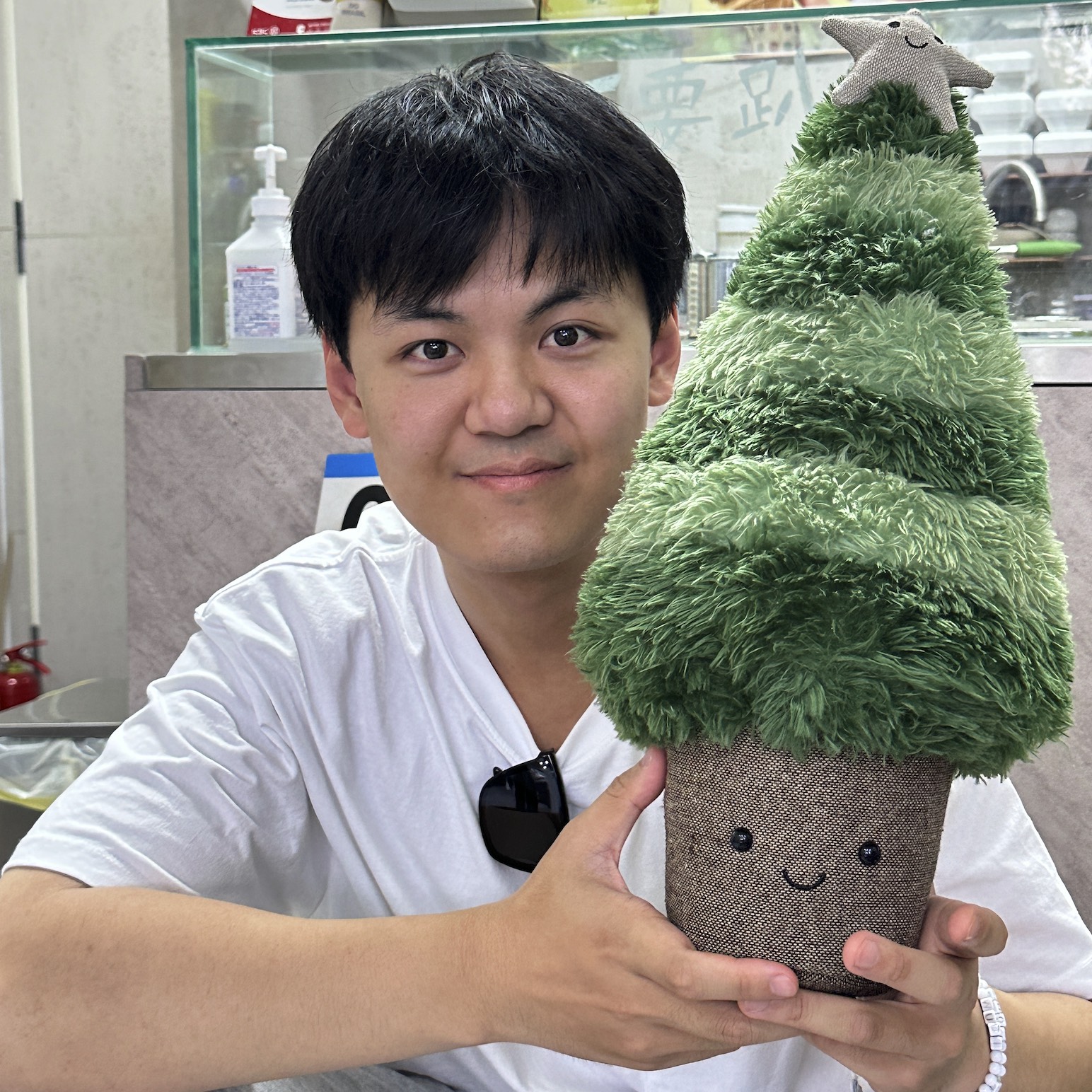
🔍 About Me
- 👋 Hello there, I am Haocan!
- I am an incoming PhD student at the Stan Richards School of Advertising & Public Relations, Moody College of Communication, University of Texas at Austin. Powered by curiosity, sustained by just enough vanity, and driven by the pursuit of meaningful research. Occasionally getting lost while traveling across disciplines. Love cats, good food, and my family.
🔬 Research Agenda
- Design effective and personalized interventions and trace the accumulation of persuasive media effects.
- Link individual behaviors with health campaigns / population-level impact.
- Examine how persuasive mechanisms and digital health symptoms transform within AI-mediated communication (AIMC) and human–AI interaction (HAII) contexts.

How to pronounce my name: Háo (sounds like “how”), Càn (similar to “tsahn”), Sūn (rhymes with “soon”). Or simply call me Hao.
📝 Publications
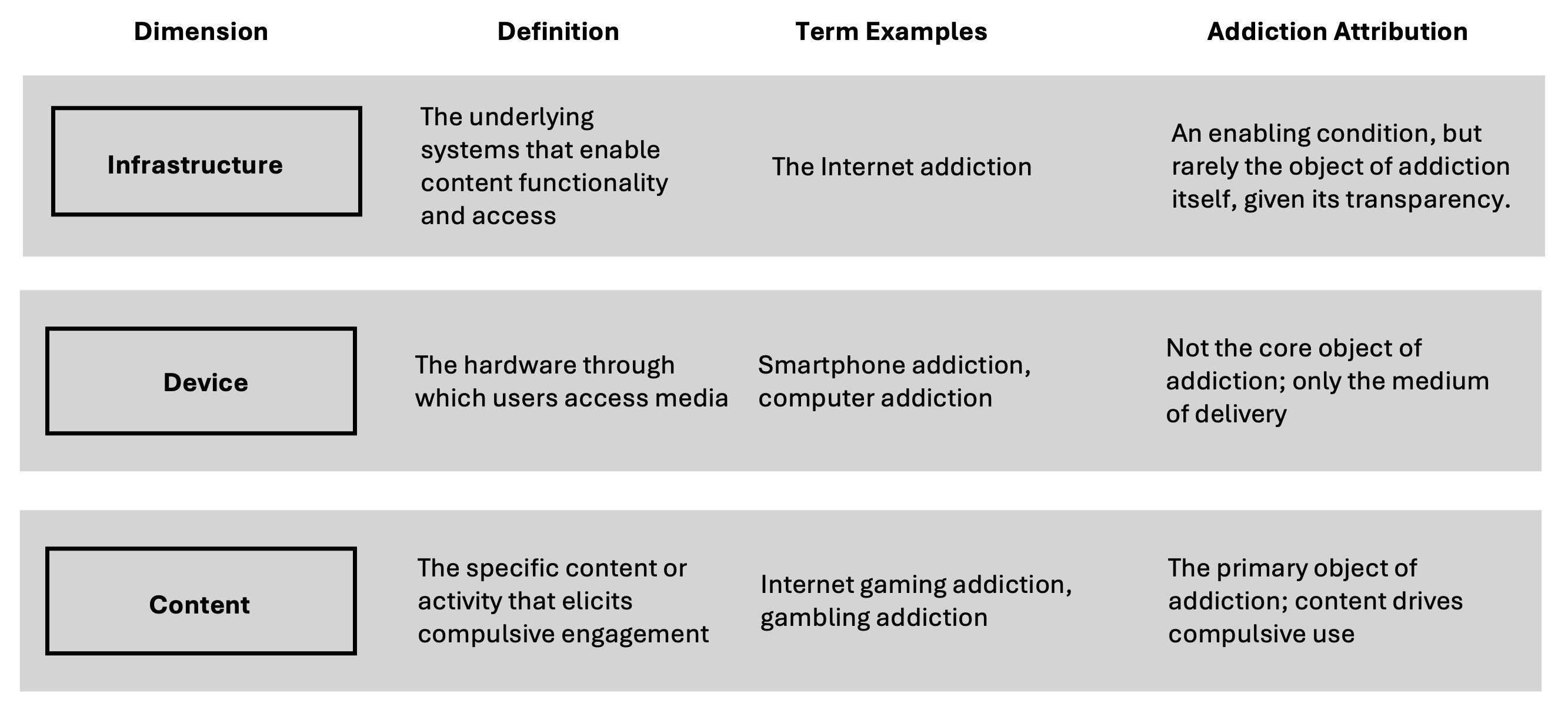
(Co-first author) Haocan Sun, Di Wu, Weizi Liu, Mike Yao, Guoming Yu
Key Contribution -Developed the first psychometrically validated measure of problematic GenAI use (PUGenAIS-9). Findings suggest that problematic GenAI use resembles the emotionally vulnerable subtype of IGD and support an infrastructure–device–content (IDC) perspective on digital addiction.
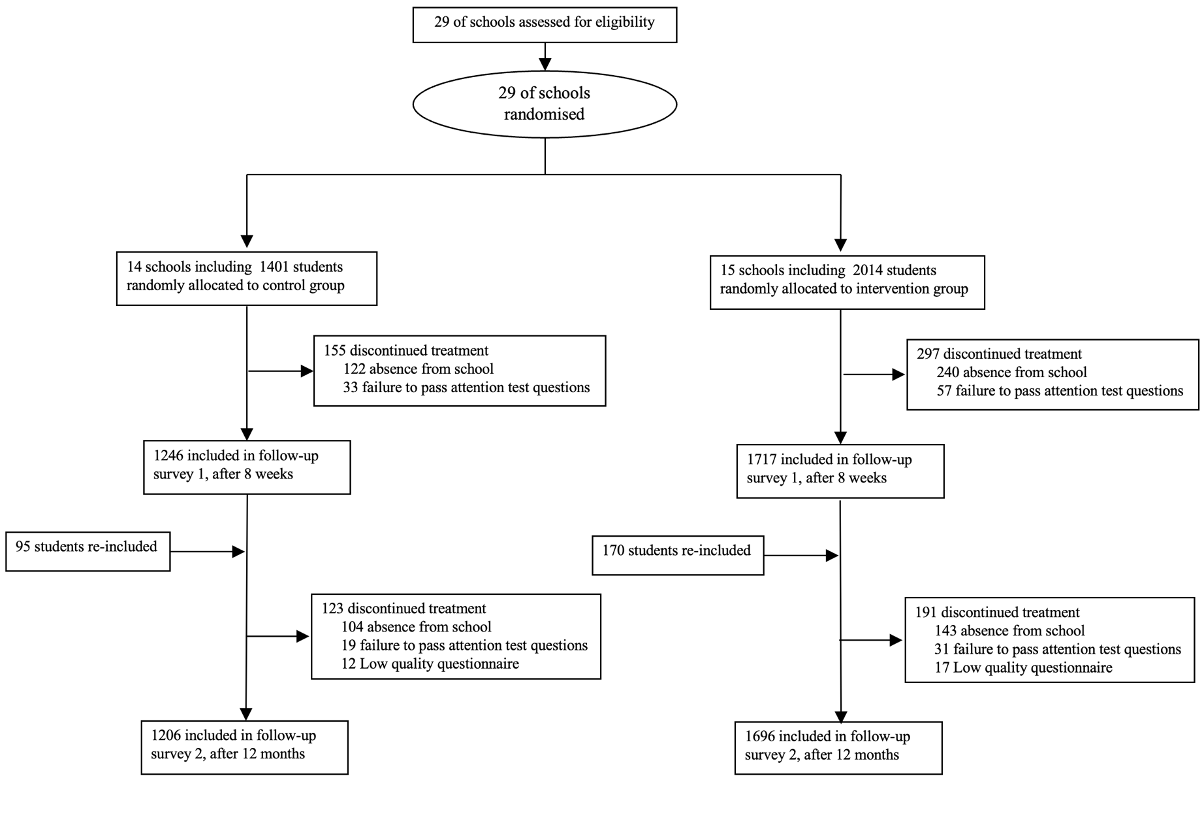
Haocan Sun, Shuangyu Zhao, Hanxiyue Zhang, Kun Tang
Key Contribution -Evaluated a large-scale online comprehensive sexuality education program in China. Results support its effectiveness in improving sexuality knowledge and attitudes, while highlighting the need for sustained interventions to influence behavioral outcomes. I used a parallel process latent growth model to track the nonlinear growth trajectories of sexuality knowledge and attitudes, and a mixed effects model to assess whether sexuality education impacts behavioral indicators.
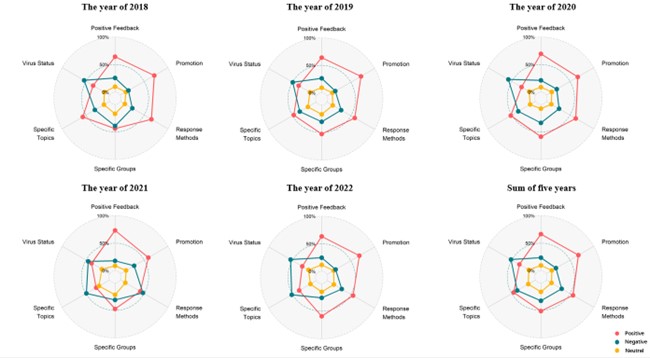
Mapping the AIDS Week Health Campaign on Social Media in China: A Mixed-Method Study
(Co-first author) Haocan Sun, Rudong Zhang, Xuan Li, Kun Tang
Key Contribution -Applied LDA topic modeling, sentiment analysis, and critical discourse analysis to 48,437 social media posts, revealing six major themes in China’s AIDS Week campaign and the social dynamics underlying online health communication.
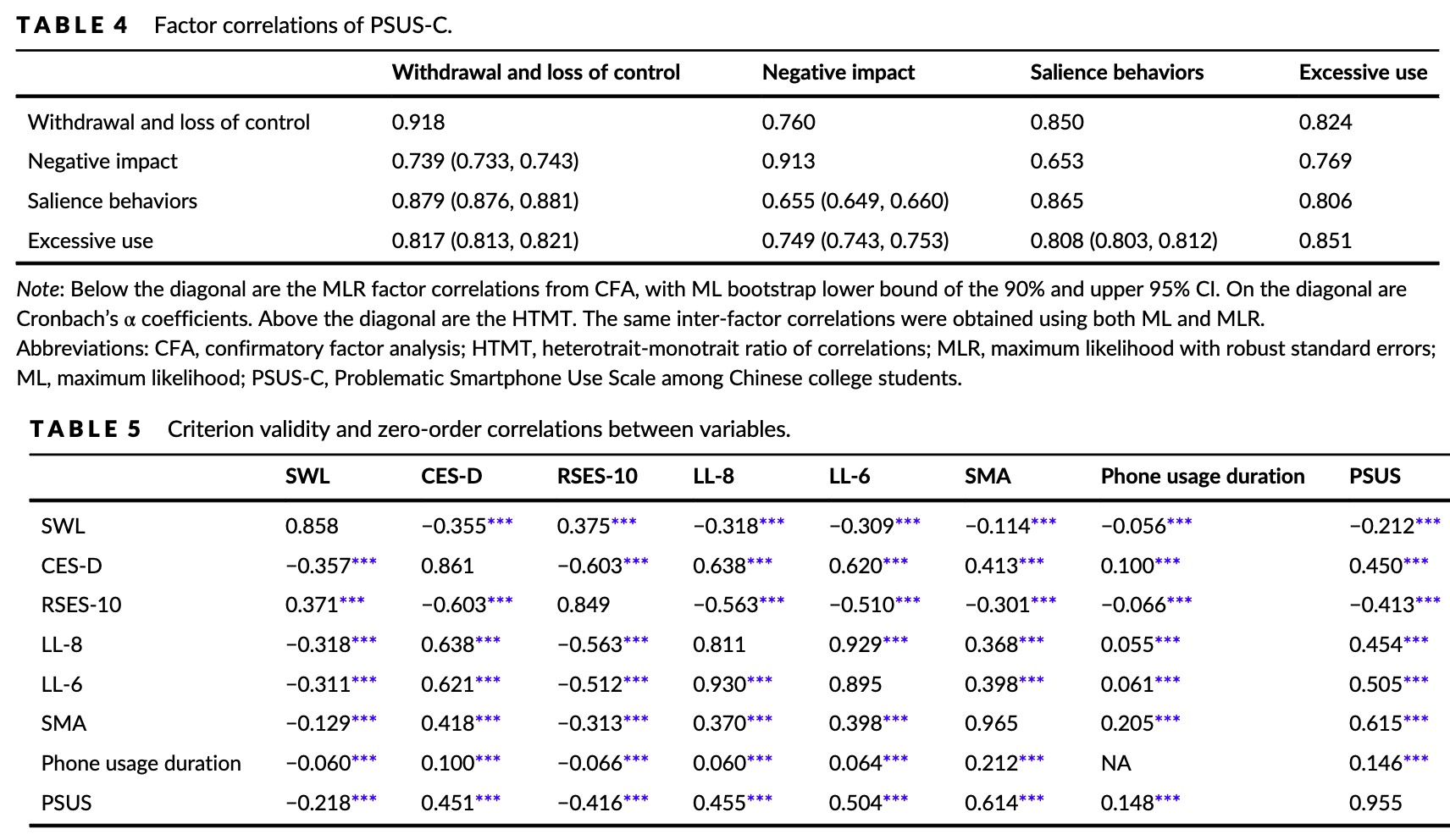
Haocan Sun, Kun Tang
Key Contribution
- The Problematic Smartphone Use Scale for College Students (PSUS-C) demonstrated good factor structure, internal consistency, construct validity, discriminant validity and criterion validity. Strict and structural invariance were demonstrated across sex, type of university and place of residence.
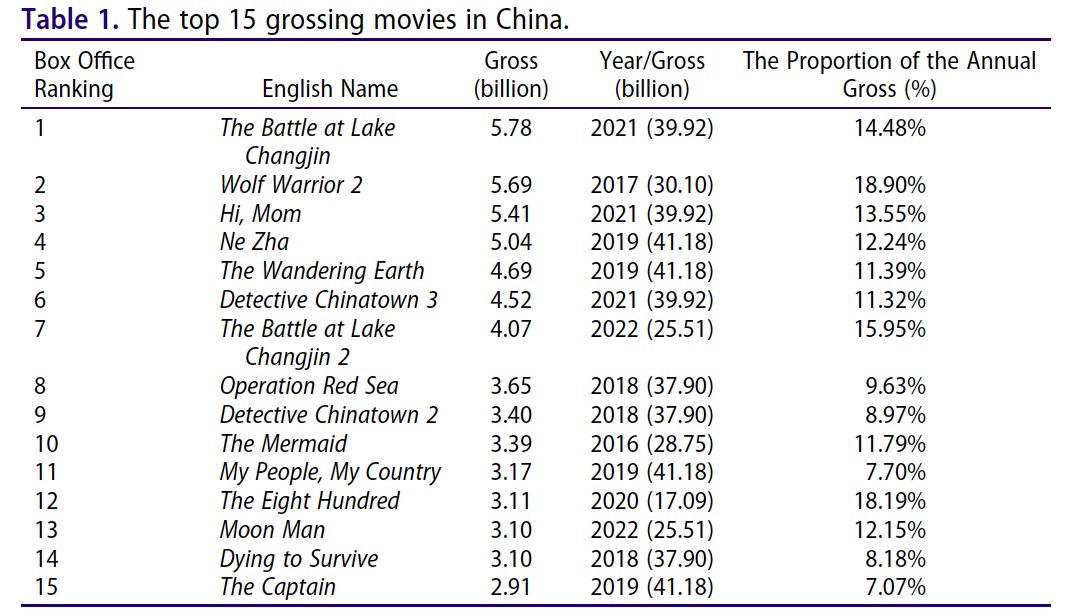
Haocan Sun, Jinghong Xu
Key Contribution
- Examined gender representation in China’s highest-grossing films. Findings revealed persistent gender stereotypes, substantial underrepresentation of women, and limited female participation behind the camera.
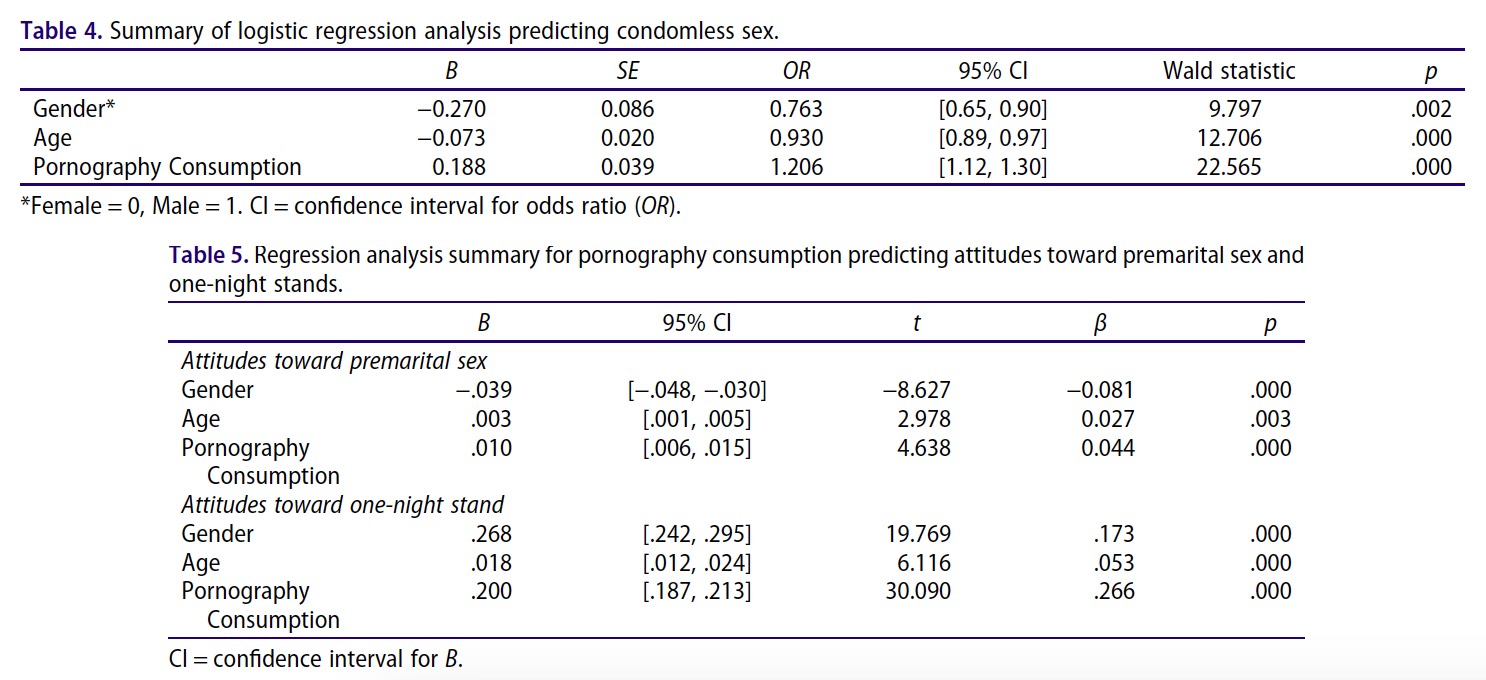
Pornography consumption, sexual attitude, and condomless sex in China
(Co-first author) Zhenchao Hu,Haocan Sun, …, Kun Tang
Key Contribution
- Investigated the associations between pornography consumption, sexual attitudes, and condomless sex in China. More frequent pornography use was associated with riskier sexual behaviors and more permissive sexual attitudes.
💡 On-Going Projects
- 🌟 My Thesis Using Neural Signals to Predict Health News Sharing Volume, Individual Media Use, Health Behavior, and Well-being Trajectory, Haocan Sun, Guoming Yu
- Building on recent advances in neuroforecasting, this project investigates how neural responses to health news predict communication outcomes across multiple levels—from individual media use and health trajectories to population-level news diffusion. Participants (N = 54) completed an fMRI experiment while reading health news from The New York Times and Southern Weekly, followed by a 30-day ecological momentary assessment. By integrating neural signals, longitudinal behavioral data, and real-world sharing metrics, this work aims to bridge individual cognition with large-scale communication dynamics.
- Revisiting Trust in the Era of Generative AI: Factorial Structure and Latent Profiles, Haocan Sun, Weizi Liu, Di Wu, Guoming Yu, Mike Yao
- TThis project develops and validates the Human–AI Trust Scale (HAITS), a multidimensional measure of trust in generative AI. Using two large-scale surveys from China and the United States, we identify four dimensions of trust and six latent trust profiles. The project provides a cross-culturally validated framework for understanding trust formation in human–AI interaction.
- Conversational Dynamics Between Human and Gendered AI, Weizi Liu, Haocan Sun, Mike Yao
- This project applies a dynamic systems perspective to examine how conversational dynamics shape evaluations of gendered AI chatbots. Using sequence analysis and State Space Grid modeling, we show that temporal coordination, but not gender matching, predicts trust, competence, and user satisfaction, highlighting the importance of interaction processes over social identity cues.
📚 Educations
- 2022.09 - 2025.06, Beijing Normal University (BNU), Beijing, China
- Major, Communication, Faculty of Journalism and Communication
- My master’s training expanded my research beyond communication into neuroscience, psychology, and public health. These disciplines have shaped my interest in understanding communication mechanisms while designing interventions for real-world health challenges.
- 2018.09 - 2022.06, Communication University of China (CUC), Beijing, China
- Major, TV Editing and Directing, Faculty of Journalism and Communication
- My undergraduate training in journalism introduced me to storytelling, visual communication, and social impact. It also convinced me that communication research should not only explain problems but also contribute practical solutions through evidence-based interventions.
🤝 Let’s Connect
I’m always happy to discuss research, exchange ideas, or explore potential collaborations. Feel free to reach out!